What Higher Ed VPs should know about AI
Higher education is entering a new chapter. Yes, enrollment is shifting, budgets are tightening, and student expectations are evolving faster than ever, but these challenges also open the door to innovation. One of the most exciting tools at the center of this transformation is AI, as it is a real opportunity to enhance efficiency, personalize experiences, and amplify your team’s impact. You don’t need to be a tech whiz to take advantage of it, but you do need a clear understanding of what AI can do today, where it’s already making a difference in higher ed, and how to lead the way.
Let’s take a look.
What AI is and isn’t
Before we even think about strategy, we need to understand what AI is and isn’t. It’s not a replacement for your human team, nor is it a silver bullet that will help save struggling departments or instantly cut your workload in half. It’s more like an always-on assistant (I often call it your bionic arm), that can help in a number of ways, such as
- Drafting emails and reports so much faster than you can
- Summarizing complex meeting transcripts or documents
- Analyzing enrollment or marketing trends
- Generating different versions of content for different audiences
But someone still needs to set the direction, provide the context, and review outputs for alignment with your unique mission.
Higher ed‘s current use of AI
Many colleges and universities are no longer wondering if they should use AI. They’re already refining how they use it strategically. For example,
Marketing and Communications
- Segment emails for prospective students, alumni, and donors
- Draft event invites and newsletters tailored for different audiences
- Audit communications for tone, consistency, and inclusive language
- Summarize content performance or campaign reach
Example: Marketing teams use AI tools to generate multiple email or invitation drafts, which frees up time for higher-level planning.
Enrollment Management
- Personalize interest-based content at scale for different types of students
- Identify signals of student interest or drop-off through identifying patterns
- Summarize notes from hundreds of student interactions to detect themes
For instance, by using AI to analyze application essays or email interactions, institutions can detect trends in applicant concerns, then address them directly in targeted outreach.
Advancement and Alumni Relations
- Draft donor letters and campaign communications customized for audience segments
- Summarize long board reports into digestible briefs
- Generate recognition copy for milestones or giving anniversaries
AI can save many hours by helping staff convert board updates into concise leadership emails that keep everyone informed quickly.
Student Success and Advising
- Automate regular nudges for key milestones to boost student retention
- Personalize messages to students who might be at risk or need support
- Translate complex policy language into plain English tips or FAQs
For examples, advisers may use AI-powered platforms to proactive reach out to students ahead of registration deadlines.
Internal Operations and Administration
- Summarize transcripts or documentation from meetings and committee sessions
- Draft and edit job descriptions
- Quickly create executive summaries from sprawling reports
HR and operations teams rely on AI to condense meeting notes into checklists and action items, which makes follow-through easier across teams.
What Higher Ed VPs need to focus on
With AI already integrated into so many aspects of campus operations, here are a few ares that VPs should focus on:
Strategic structure
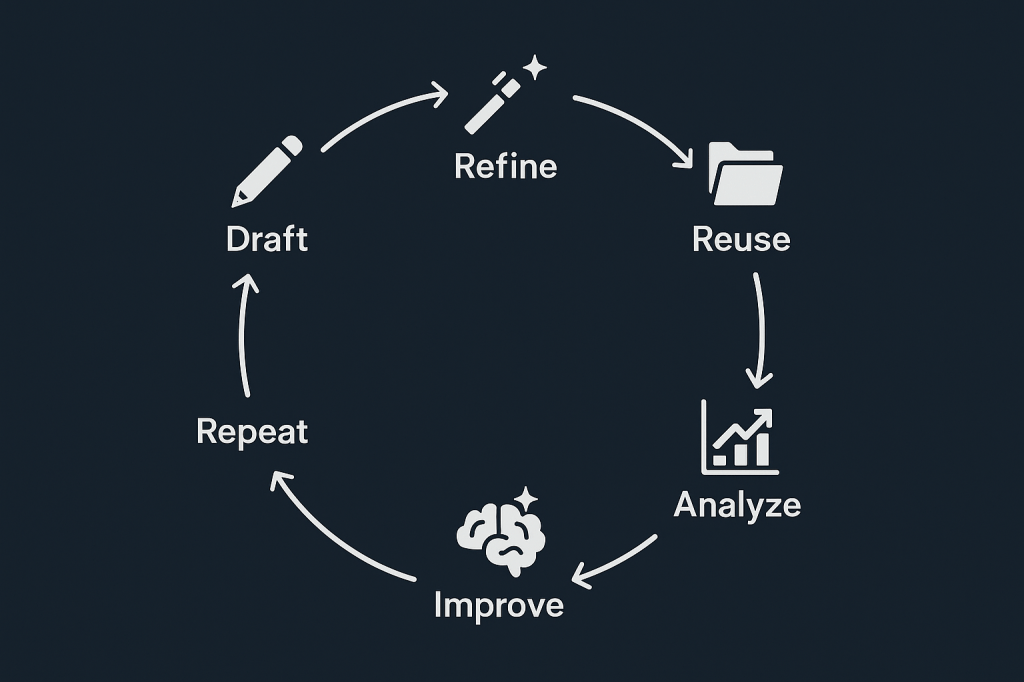
The real magic happens when you move past occasional, one-off uses (“write this newsletter”) and start structuring AI into ongoing workflows that learn and improve. AI is about compounding value. For example, once you have a playbook for drafting segmented campaigns or summarizing meeting notes, you can refine it over time, increasing quality while saving more staff time with each cycle.
Strategy guides the tools
AI’s strength is in scale and speed, and definitely not in institutional memory, culture, or nuanced judgment. This means no matter how powerful the tool, your strategy always leads the way. You know what resonates with your alumni better than any AI tool ever could.
Focus on real-world problems
Ask practical questions such as
- Where are staff bogged down by repetitive or time-consuming tasks?
- What processes cause delays or burn valuable staff hours?
- Which areas could benefit from faster, more personalized communication?
Start by solving the real bottlenecks your teams talk about every month. That’s where AI delivers the biggest, most immediate ROI in higher education.
Questions every higher ed leader should ask
If you want AI to be a multiplier instead of a distraction, start with these questions:
Where are we using AI already and who is governing it?
Chances are, faculty or staff are already using tools like ChatGPT, Grammarly, or other writing aids. You may already have AI-features in your Content Management System. Map out where these tools are deployed and who is making operational or ethical choices about them.
Do we have shared guidelines?
Establish simple, clear principles for responsible AI use:
- What counts as acceptable use?
- Are outputs fact-checked for accuracy and tone?
- Does the use align with your brand and values?
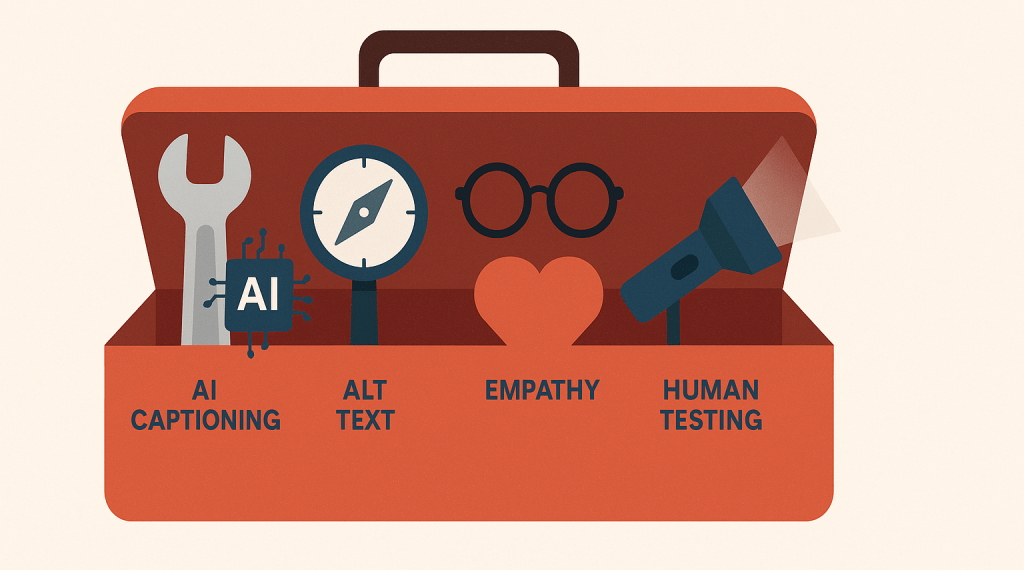
- How will you ensure accessibility for all users?
- Are there any other legal ramifications that we need to be aware of?
What type of training is needed?
Staff anxiety about “messing things up with AI” is real. Leaders can speed up adoption and prevent misuse by offering guides, practice sessions, and safe spaces to experiment and become more proficient.
What higher ed VPs shouldn’t worry about
Here’s what you do not have to do:
- Learn prompt engineering from scratch. Use, adapt, and share prompts that have already proven effective (see these prompt examples).
- Approve every single AI use case. Trust frontline teams with clear parameters and encourage smart experimentation.
- Invest heavily on day one. Most effective AI solutions start at departmental or pilot scale. Scale up tools only when you have evidence of need and success.
The shifting role of higher ed leadership in the AI era
The institutions that succeed won’t necessarily have the flashiest tech stack. Neither will they be the ones who cling to old ways of thinking. Instead, those that thrive will be led by VPs and executives who align AI adoption with mission and culture, set clear expectations and boundaries, encourage cross-team sharing and learning, and stay committed to ethical, accessible, and transparent practices.
What about you? What would you add to the list of things that higher ed VPs should know about AI?